Pasta e Ceci
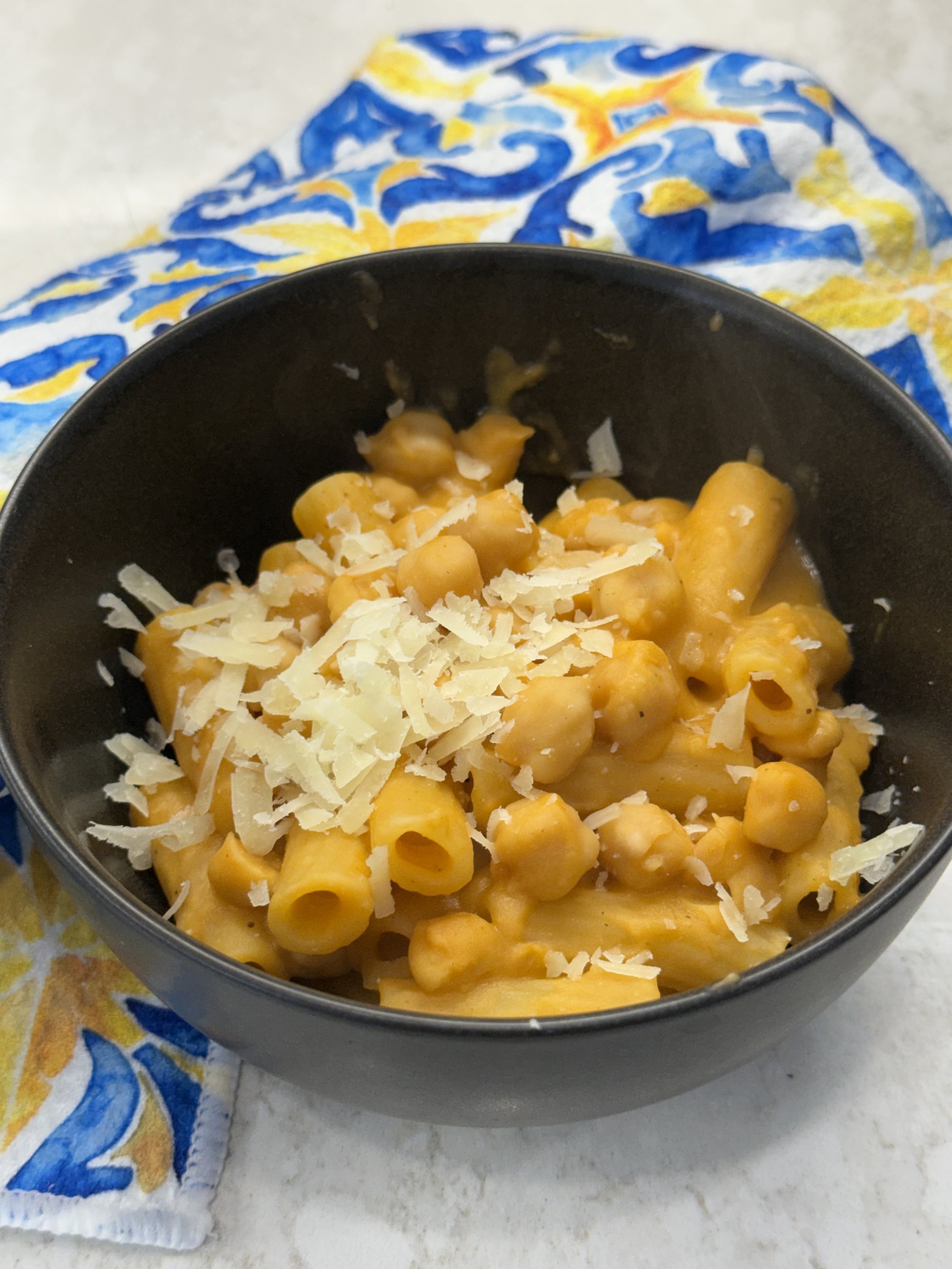
Pasta e Ceci
Few dishes capture the spirit of Italian cooking as beautifully as Pasta e Ceci. Made with simple pantry staples—pasta, chickpeas, olive oil, garlic, and herbs—this dish is a perfect example of cucina povera, the Italian tradition of transforming humble ingredients into something deeply comforting and nourishing.
Across Italy, particularly in the central regions such as Lazio, Pasta e Ceci has long been associated with Lent, the forty-day period of reflection leading up to Easter. During this time, meat was traditionally avoided on many days, and legumes became an essential source of protein. Chickpeas were inexpensive, easy to store through the winter, and filling enough to sustain families and farmers alike.
March, which usually falls squarely within Lent, was historically a lean month. Winter stores were running low, fresh spring vegetables had not yet arrived, and people relied heavily on dried grains and legumes. Dishes like Pasta e Ceci emerged from this reality—simple, nourishing meals that could feed many people with very little.
Today, Pasta e Ceci remains beloved throughout Italy. In Rome, the dish is often thick and creamy, with some chickpeas mashed to create a velvety texture without cream or cheese. In other regions it may be slightly more brothy, sometimes flavored with rosemary, bay leaf, or even wild fennel. Regardless of the variation, the heart of the dish remains the same: humble ingredients treated with care.
Recipe
Serves 12
Ingredients
300 g (about 2½ cups) dried chickpeas, soaked overnight (or 3 cans chickpeas, drained and rinsed)
600 g (about 1 lb) short pasta (ditalini, tubetti, or broken spaghetti)
12–15 tablespoons extra virgin olive oil, divided
2 garlic cloves, lightly crushed
3 sprigs fresh rosemary
3 bay leaves (optional)
Salt, to taste
Freshly ground black pepper
Water or light vegetable broth, as needed
Instructions
1. Cook the Chickpeas
Drain the soaked chickpeas and place them in a large pot. Cover with fresh water by several inches.
Add 3 crushed garlic cloves, the rosemary sprigs, and the bay leaves. Bring to a gentle simmer and cook until the chickpeas are tender, about 1 hour
Salt the chickpeas during the last 10 minutes of cooking.
Reserve the cooking liquid—it will become the base of the sauce.
(If using canned chickpeas, simmer them in water with rosemary and garlic for about 20 minutes to develop flavor.)
2. Build the Base
In a large heavy pot, heat 8–9 tablespoons olive oil over medium heat. Add the remaining crushed garlic cloves and let them gently infuse the oil until fragrant.
Remove the garlic before it begins to brown.
3. Create the Creamy Chickpea Sauce
Add about two-thirds of the cooked chickpeas to the pot along with a generous ladle of their cooking liquid. Let them simmer for about 5 minutes.
Using the back of a spoon or an immersion blender, mash some of the chickpeas to create a rustic, creamy base. Stir in the remaining whole chickpeas.
4. Cook the Pasta
Add the pasta directly to the pot with the chickpeas. Pour in additional chickpea cooking liquid as needed, enough to keep everything loose and spoonable.
Cook the pasta while stirring frequently, about 10–14 minutes, until it is al dente and the sauce has thickened into a creamy consistency.
6. Finish
Remove the rosemary and bay leaves. Taste and adjust the salt.
Add plenty of freshly ground black pepper and drizzle the remaining olive oil over the pasta. Allow the dish to rest for a few minutes before serving, as it will continue to thicken slightly.
7. Serving
Serve Pasta e Ceci warm in shallow bowls with an extra drizzle of good olive oil and freshly cracked black pepper.
Traditionally, no cheese is added, allowing the rich flavor of the chickpeas and olive oil to shine through.
