Sugo di Arrabbiata
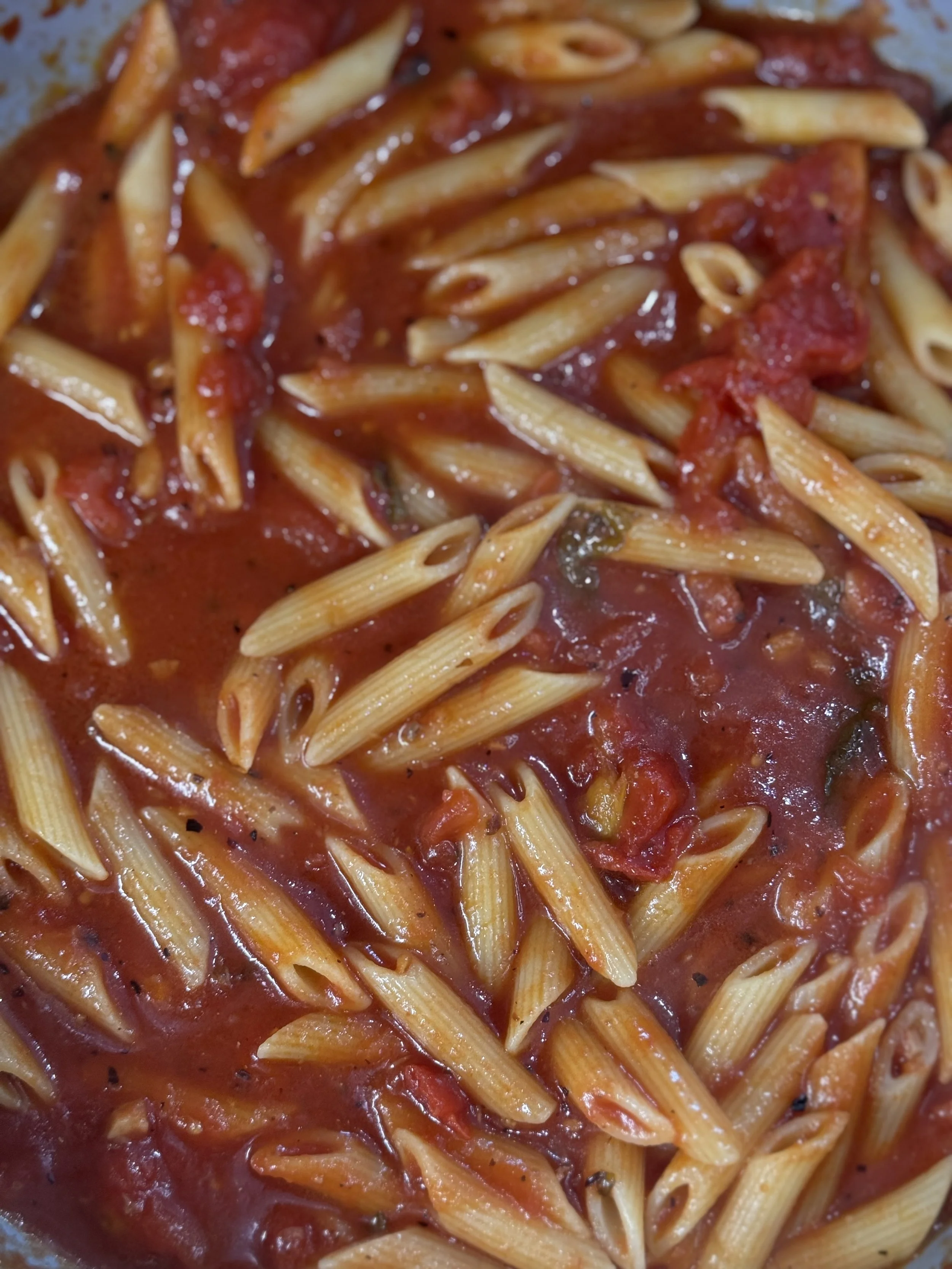
Penne Rigate all’Arrabbiata
Arrabbiata is one of Rome’s most misunderstood sauces—not because it’s complicated, but because it’s too simple. Outside Italy, it’s often softened, sweetened, or bulked up with extra ingredients. In Rome, it is none of those things.
Arrabbiata comes from arrabbiato, meaning angry. The name refers to the heat of peperoncino, which should be assertive enough to make you flush. This is not a “hint of spice” sauce. It’s meant to bite.
Unlike older Roman sauces with deep rural roots, arrabbiata is relatively modern, becoming widespread in the 19th–20th centuries as chili peppers gained popularity in central Italy. It belongs to a category of fast, pantry-based Roman dishes—built for weeknights, trattorias, and cooks who understand restraint.
Arrabbiata is also one of the most ingredient-policed sauces in Italian cooking. That’s because once you add onion, basil, butter, or sugar, the sauce stops being arrabbiata and becomes something else entirely.
This isn’t minimalism for aesthetics. It’s minimalism for balance.
Recipe
Serves 4
Ingredients
4 Tbsp Extra-Virgin Olive Oil
2 Garlic cloves
1-2 tsp Dried peperoncino
500 g (18 oz) canned whole San Marzano tomatoes, crushed by hand
Salt, to taste
400 g Penne Rigate
Instructions
1. Infuse the oil
Place olive oil in a wide pan over medium-low heat. Add garlic and peperoncino.
Let them gently sizzle until fragrant—do not brown. The oil should tint red.
2. Add Tomatoes
Add crushed tomatoes and a pinch of salt. Simmer uncovered for 15–20 minutes, stirring occasionally, until the sauce thickens and the oil begins to rise to the surface.
3. Cook the Pasta
Boil penne in generously salted water until al dente
4. Marry the Pasta and Sauce
Transfer pasta directly to the sauce with a splash of pasta water. Toss over high heat for 30–60 seconds until glossy and cohesive.
5. Finish and Serve
Remove from heat. Add parsley if using. Serve immediately with Pecorino Romano
