Ribollita Toscana
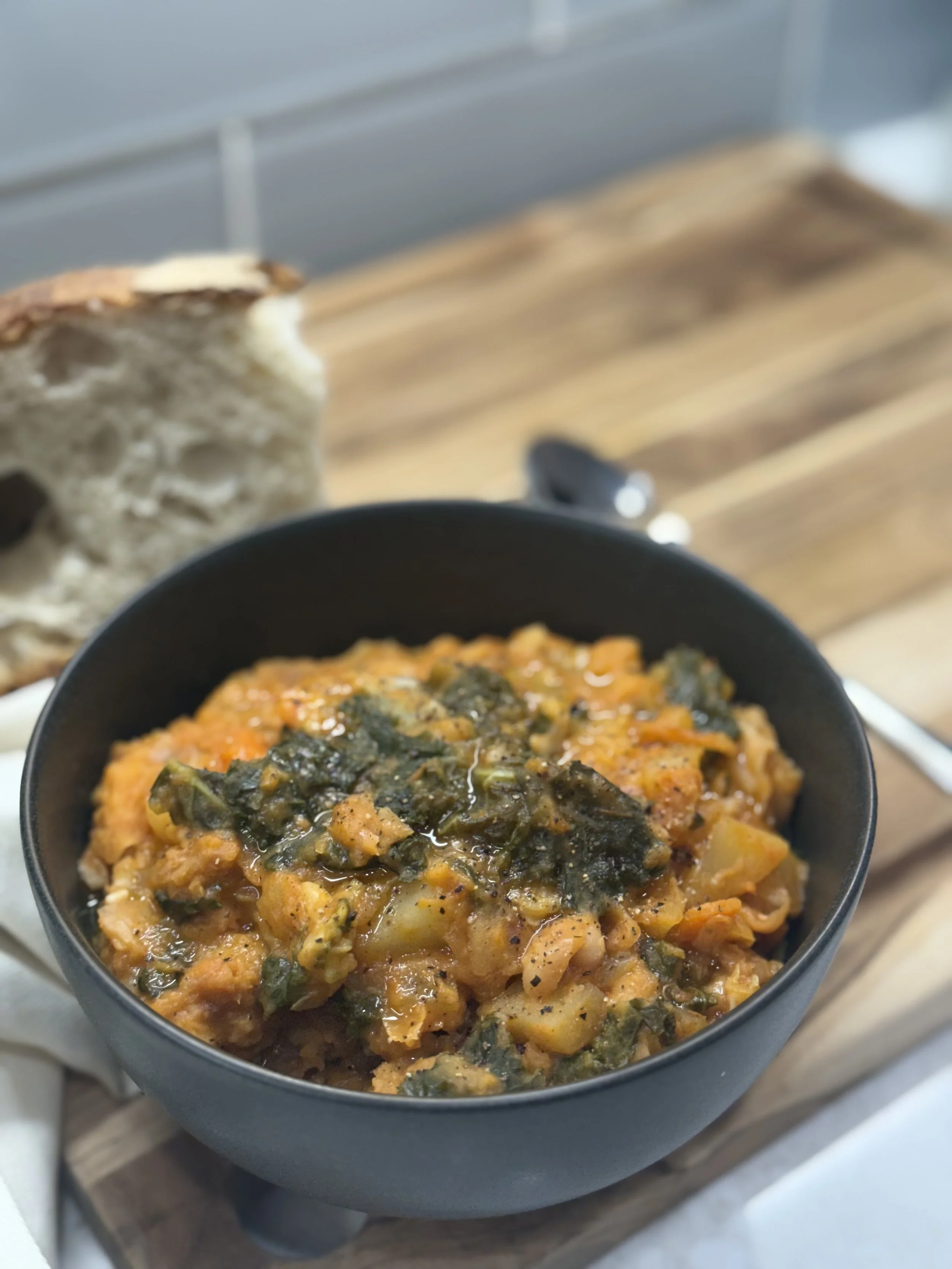
Ribollita Toscana
Ribollita is one of the most emblematic dishes of Tuscany, rooted not in nobility but in necessity. Its name literally means “re-boiled,” a reference to the traditional practice of reheating leftover vegetable and bean soup over several days, thickening it with stale bread to make it more filling and sustaining.
The dish dates back to the Middle Ages, when wealthy noble families would eat fresh meats and bread at their banquets and the rural, peasants were given the left over scraps of beans and stale bread. They took these humble ingredients and added them to dried beans for protein, hardy winter greens, onions, and unsalted Tuscan bread designed to last.
What began as a way to avoid waste became codified into a structured dish, where bread is essential, beans provide richness without meat, and time does the real work. Ribollita is meant to rest and be reheated; only on the second day does it reach its true form, thicker, deeper, and more cohesive. More than a soup, ribollita is an expression of cucina povera and the Tuscan belief that restraint, patience, and respect for ingredients create food that is both humble and profound.
Recipe
Serves 12
Ingredients
Base & Soffritto
½ cup extra-virgin olive oil, plus more for finishing
3 large yellow onions, medium dice
6 carrots, small dice
6 celery stalks, small dice
6 cloves garlic, minced
Vegetables & Beans
3 (15–16 oz) cans cannellini beans, drained and rinsed
1 additional cup cooked cannellini beans or reserve from the cans (to purée)
1 large bunch curly kale (about 12–14 oz), stems removed, sliced into ½–¾ inch ribbons
1 (28 oz) can whole peeled tomatoes, crushed by hand
8–10 cups vegetable broth or water (you may need more when reheating)
Bread
12–14 oz stale country bread, torn, not cut
(Tuscan-style or any crusty loaf without seeds)
Seasoning
2½–3 tsp kosher salt (to taste, added gradually)
Freshly ground black pepper
Instructions
1. Build the Base
Heat olive oil in a large pot over medium heat.
Add onion, carrot, and celery. Sauté 5–7 minutes until soft and fragrant.
Add garlic and cook 30 seconds.
2. Add the Tomatoes and Beans
Stir in crushed tomatoes. Let them cook down slightly so they lose their raw edge.
Purée about ⅓ of the beans with a little broth or water and add to the pot. Add the remaining whole beans. Stir well. Let simmer for 10 minutes
This is where ribollita starts to thicken naturally.
3. Simmer with Kale
Add broth or water and bring to a gentle simmer.
Add the sliced curly kale early — it needs more time than cavolo nero. Season with salt and pepper.
Simmer until:
Kale is fully tender
Broth looks slightly cloudy and thickened
Taste and adjust seasoning.
4. Add the Bread
Fold in the torn stale bread. Press it gently into the liquid.
Let it cook for 15 minutes until the bread collapses and dissolves into the soup, thickening it into a rustic, porridge-like consistency.
At this point, it should be thick but not dry. Add a splash of water if needed.
5. Rest
Turn off the heat and let the ribollita rest overnight in the fridge.
6. Ribollita: The Re-Boil
The next day, reheat gently for 10-15 minutes with a little water or broth, stirring slowly so it doesn’t stick.
This second cooking is when flavors deepen, textures tighten, and the soup becomes what it’s meant to be.
Ladle into bowls and finish with:
A generous drizzle of extra-virgin olive oil
Fresh black pepper
No cheese. Ever. (That’s Tuscan law.)
