Sugo di Pomodoro
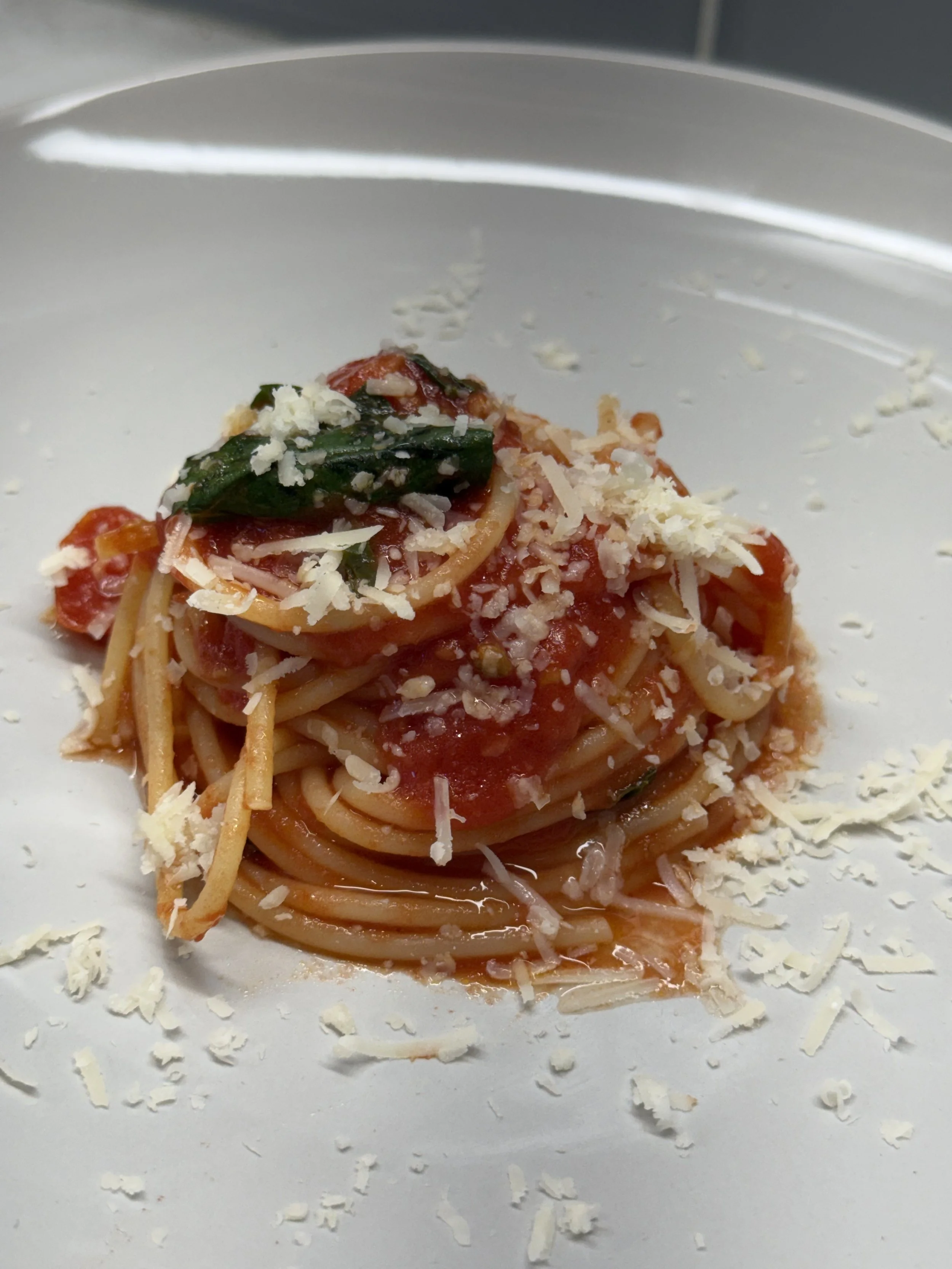
Sugo di Pomodoro
If you asked someone to name the most Italian food on earth, most people would probably say pasta with tomato sauce.
But here’s the twist: for about two centuries, Italians didn’t trust tomatoes at all.
Tomatoes arrived in Europe in the 1500s, brought from the Americas by Spanish explorers. Because they belong to the nightshade family—the same plant group as deadly belladonna—many Europeans believed tomatoes were dangerous or poisonous. Wealthy households often grew them as ornamental plants, admiring their bright fruit but rarely eating them.
Ironically, the people who eventually embraced tomatoes were the poorest communities in southern Italy.
In places like Naples and across Sicily, tomatoes grew easily in the Mediterranean climate. They were cheap, flavorful, and could turn simple staples like bread or dried pasta into something deeply satisfying. Slowly, cooks began simmering crushed tomatoes with olive oil, garlic, and herbs—transforming a once-feared fruit into the foundation of everyday cooking.
By the late 1700s, tomato sauce began appearing in Neapolitan cookbooks. Around the same time, Naples was becoming famous for its dried pasta, and the pairing of pasta and tomato sauce would eventually spread throughout Italy.
What began as humble survival cooking became one of the most recognizable flavors in the world.
And at its heart, sugo di pomodoro is still beautifully simple: good tomatoes, olive oil, garlic, and patience.
Recipe
Serves 4 portions of pasta
Ingredients
2 tbsp extra-virgin olive oil
2 cloves garlic, lightly crushed
1 can (28 oz / 800 g) whole peeled tomatoes (preferably San Marzano style)
½ tsp sea salt (adjust to taste)
Small handful fresh basil leaves
Instructions
1. Build the Base
Heat the olive oil in a saucepan over medium-low heat.
Add the garlic and cook gently for about 1–2 minutes, just until fragrant. The garlic should soften but not brown.
2. Add Tomatoes
Pour in the whole tomatoes and crush them with a spoon or your hands. Add the salt.
3. Simmer slowly
Lower the heat and let the sauce gently simmer for 20–30 minutes, stirring occasionally. The sauce will thicken slightly and deepen in flavor.
4. Finish with Basil
Add the fresh basil during the last 5 minutes of cooking. Remove the garlic if you like a smoother flavor.
5. Toss with Pasta
Cook your pasta until just shy of al dente, then transfer it directly into the sauce with a splash of pasta water. Toss for a minute so the sauce coats the pasta beautifully.
